Embracing Modern Aesthetics with Melamine Laminate Wood Surface Texture
Understanding Melamine Laminate Wood Surface Texture
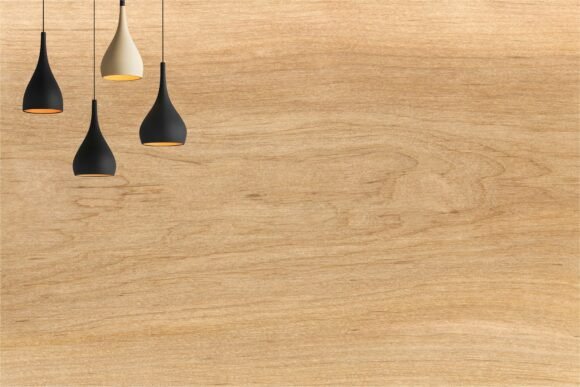
Melamine laminate wood surface texture is a high-performance material widely used in interior design, furniture manufacturing, and digital design environments. It consists of a decorative paper layer fused with a melamine resin and bonded to a high-density fiberboard (HDF) or particleboard core. The result is a durable, scratch-resistant surface that mimics the look and feel of natural wood while offering superior practicality and versatility.
What sets melamine laminate apart is its ability to replicate intricate wood grain patterns and a variety of finishes — from matte to gloss — with remarkable accuracy. This makes it a go-to choice for designers and creators who want to infuse a touch of organic warmth into contemporary spaces without compromising on durability or cost.
The Rise of Contemporary Design in Creative Industries
In today's fast-evolving creative landscape, aesthetics and functionality must coexist seamlessly. Whether it's for tech startup branding, modern web design, or eye-catching social media graphics, the demand for clean, dynamic, and visually engaging materials has never been higher. Melamine laminate wood surface texture has emerged as a key player in this movement, offering a tactile and visual richness that resonates with modern sensibilities.
Designers are increasingly leaning toward materials that reflect a balance between nature and innovation. The melamine laminate's ability to mimic real wood while offering enhanced durability and customization options makes it a strategic choice for both physical and digital applications. Its presence in tech-forward environments, such as YouTube channel art and festival posters, underscores its adaptability and relevance in a design-conscious world.
Why Melamine Laminate Wood Surface Texture Is Gaining Attention
Several factors are contributing to the growing interest in melamine laminate wood surface textures:
- Visual Appeal: The texture delivers a bold yet sophisticated look that enhances both minimalist and vibrant design schemes.
- Cost-Effectiveness: Compared to real wood, melamine laminate offers a more affordable alternative without sacrificing quality or aesthetics.
- Durability: Resistant to scratches, moisture, and fading, it's ideal for high-traffic environments and long-term use.
- Customization: With the inclusion of EPS files, designers can easily tweak color schemes to align with brand identities or project themes.
These features make melamine laminate particularly attractive to entrepreneurs, freelancers, and marketing professionals who need high-impact visuals that are both functional and budget-friendly.
Practical Applications Across Industries
Let’s explore how melamine laminate wood surface texture is being integrated into various creative and commercial domains:
- Tech Startup Branding: Startups often aim to project a modern, innovative image. Using melamine laminate-inspired textures in office interiors or digital branding assets helps convey a sense of contemporary professionalism.
- Festival Posters: Event designers are leveraging the texture's rich visual depth to create posters that stand out in crowded markets, combining organic warmth with edgy, modern design elements.
- YouTube Channel Art: Content creators are using these textures as background elements to add depth and authenticity to their digital presence, making their channels more visually cohesive and engaging.
- Book Covers: Publishers are exploring textured digital overlays that mimic melamine laminate to create tactile-feel book covers that attract attention in both print and digital formats.
- Modern Web Design: Websites are incorporating melamine-inspired textures to add dimensionality and warmth, moving away from flat design trends toward more layered, immersive experiences.
Meeting the Evolving Needs of Designers and Brands
The creative industry is undergoing a transformation driven by shifting consumer expectations and the need for more sustainable, adaptable materials. Melamine laminate wood surface texture aligns perfectly with these evolving demands:
- Flexibility: With a high-resolution JPG and an editable EPS file included, this texture offers both immediate usability and long-term adaptability for different projects and branding needs.
- High-Resolution Quality: At 300 DPI, the texture ensures that every grain and gradient is preserved, making it suitable for both print and digital use without compromising on detail.
- Trend-Driven Design: The texture incorporates modern design elements such as fluid shapes, subtle grains, and geometric patterns, allowing it to stay relevant in fast-moving design markets.
These features make it an invaluable asset for professionals who need to deliver polished, on-trend visuals quickly and efficiently, without sacrificing quality or creative control.
Connecting with Broader Design and Technology Trends
The popularity of melamine laminate wood surface texture is not isolated. It reflects broader trends in material design, sustainability, and consumer aesthetics:
- Biophilic Design: There's a growing emphasis on incorporating natural elements into urban and digital environments to enhance well-being and connection. Melamine laminate offers a practical way to bring wood-like textures into spaces without the environmental cost of real timber.
- Material Innovation: As technology improves, so does our ability to digitally replicate and enhance physical materials. Melamine laminate exemplifies how digital design can mimic real-world textures with stunning accuracy.
- Brand Authenticity: Consumers are increasingly drawn to brands that feel authentic and tactile. Using materials that evoke natural textures — even in digital form — helps brands connect with audiences on a more emotional level.
By aligning with these macro trends, melamine laminate wood surface texture becomes more than just a design element — it becomes a strategic tool for building stronger, more resonant brand experiences.
Conclusion: A Dynamic Design Element for the Modern Creator
In a world where first impressions are often digital and physical spaces need to convey both style and substance, melamine laminate wood surface texture stands out as a versatile and impactful choice. Its ability to merge the warmth of wood with the resilience and adaptability of modern materials makes it a favorite among designers, entrepreneurs, and creators alike.
Whether you're designing a sleek tech startup office, crafting a festival poster, or building a YouTube brand identity, this texture offers the perfect balance of aesthetics, functionality, and flexibility. As design trends continue to evolve toward more tactile, sustainable, and visually rich experiences, melamine laminate wood surface texture will remain a key player in shaping the creative landscape of tomorrow.